


Waking up with scratchy, tired, and uncomfortable eyes is never a fun experience. That sudden discomfort can feel confusing, especially when it seems to come out of nowhere.
Dry eyes happen when your tear film gets disrupted, and that disruption can be associated with everyday habits, your environment, or changes happening inside your body. Sometimes it builds up slowly over time. Other times, one thing tips the balance and symptoms show up quickly in both eyes at once. Either way, there’s usually a reason behind it, and understanding the root causes can help you find the right treatment.
Common Signs and Symptoms to Watch For
Dry eye symptoms can vary from person to person, but some are more recognizable than others. If your eyes have been bothering you lately, here’s what to look out for:
- A stinging, burning, or scratchy feeling in one or both eyes
- The sensation that something is stuck in your eye
- Watery eyes
- Redness
- Sensitivity to light
- Blurry vision
It might seem strange that watery eyes show up on this list, but that’s actually your body’s response to dryness. When your eyes feel irritated, they produce a flood of reflex tears. Sadly, these extra tears don’t actually coat the surface properly to provide real relief.
Top Factors Behind Sudden Dry Eyes
Several different things can interrupt your tear production and cause sudden irritation. Let’s look at a few common culprits.
Screen Time
When you’re focused on a screen, whether it’s a phone, computer, or tablet, your blink rate drops significantly. Blinking is what spreads tears across the surface of your eye, so fewer blinks mean drier eyes. After a long day of scrolling or working, the discomfort you feel is your tear film struggling to keep up.
The 20-20-20 rule can help. Every 20 minutes, look at something about 20 feet away for 20 seconds. It gives your eyes a break and encourages more natural blinking.
Getting Older and Hormones
Hormones play a bigger role in tear production than most people realize. For women going through perimenopause or menopause, a drop in estrogen levels can reduce how many tears the eyes produce. This is one of the reasons dry eye symptoms tend to show up more in women over 40.
Tear production also naturally decreases after age 50, regardless of gender. If you fall into that age range, this natural change may contribute to your discomfort. Schedule a comprehensive eye exam with an optometrist and get to the bottom of the problem.
Wearing Contact Lenses
Wearing contact lenses, especially for long stretches or overnight, can interfere with your tear film and reduce the amount of oxygen reaching your eyes. This often leads to that dry, gritty feeling by the end of the day.
Clean your lenses properly and give your eyes a break to help reduce irritation.
Poor Eyelid Hygiene
Meibomian glands are the tiny glands along your eyelid edges that produce the oily layer of your tear film. That oily layer keeps tears from evaporating too quickly. When those glands are blocked, even if your eyes produce enough tears, those tears dry out faster than they should. Keep your eyelids clean and support a healthier tear film.
Things That Make Dry Eye Worse
Sometimes the world around you is the main reason your eyes feel so irritated.
Your Environment
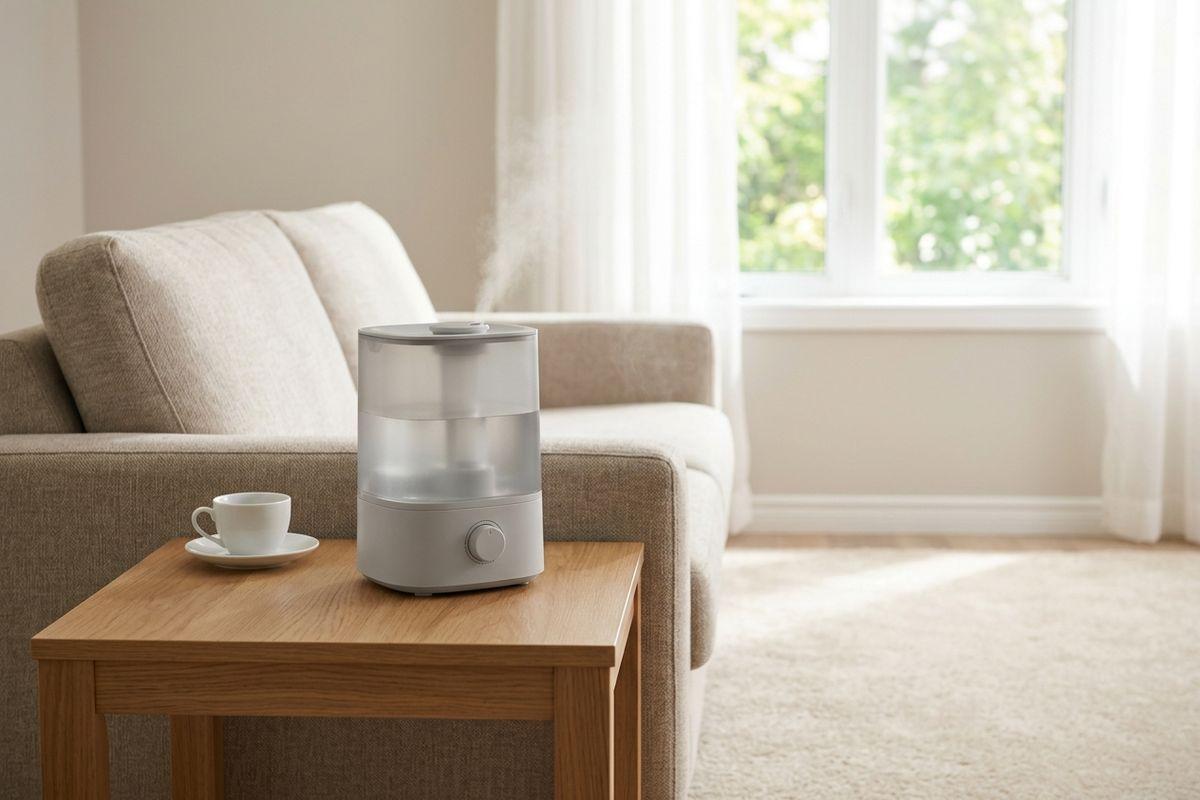
Dry air pulls moisture away from the surface of your eyes faster than your tears can replace it. Central heating in winter, air conditioning in summer, and windy outdoor conditions all do the same thing. If you’ve ever noticed your eyes feeling worse on a plane or in a heavily air-conditioned office, that’s exactly why.
Use a humidifier and add some moisture back into the air.
Starting New Medications
Some medications reduce tear production as a side effect. Antihistamines taken for allergies and certain blood pressure medications are common ones. If you’ve recently started a new medication and noticed your eyes getting drier, that timing may not be a coincidence.
Underlying Health Conditions
Certain health conditions can also affect tear glands. Sjögren’s syndrome, an autoimmune condition that affects the body’s moisture, is one example in which dry eye is a frequent and persistent symptom. Identifying these underlying issues is a vital step in finding the proper relief.
Stop Those Sudden Dry Eyes
If your symptoms have lasted more than a few days or keep coming back, it’s a good idea to get your eyes looked at. A comprehensive eye exam can help identify what’s driving your dry eye symptoms rather than just managing the discomfort on the surface.
Our team at One Vision Eyecare offers personalized dry eye therapy, whether your symptoms are mild or have been bothering you for a while. We even offer Saturday appointments to fit your schedule.
Reach out and book a visit today to find the relief you deserve.